Disclaimer: This page is an independent educational resource and is not affiliated with or operated by any official organization or service.
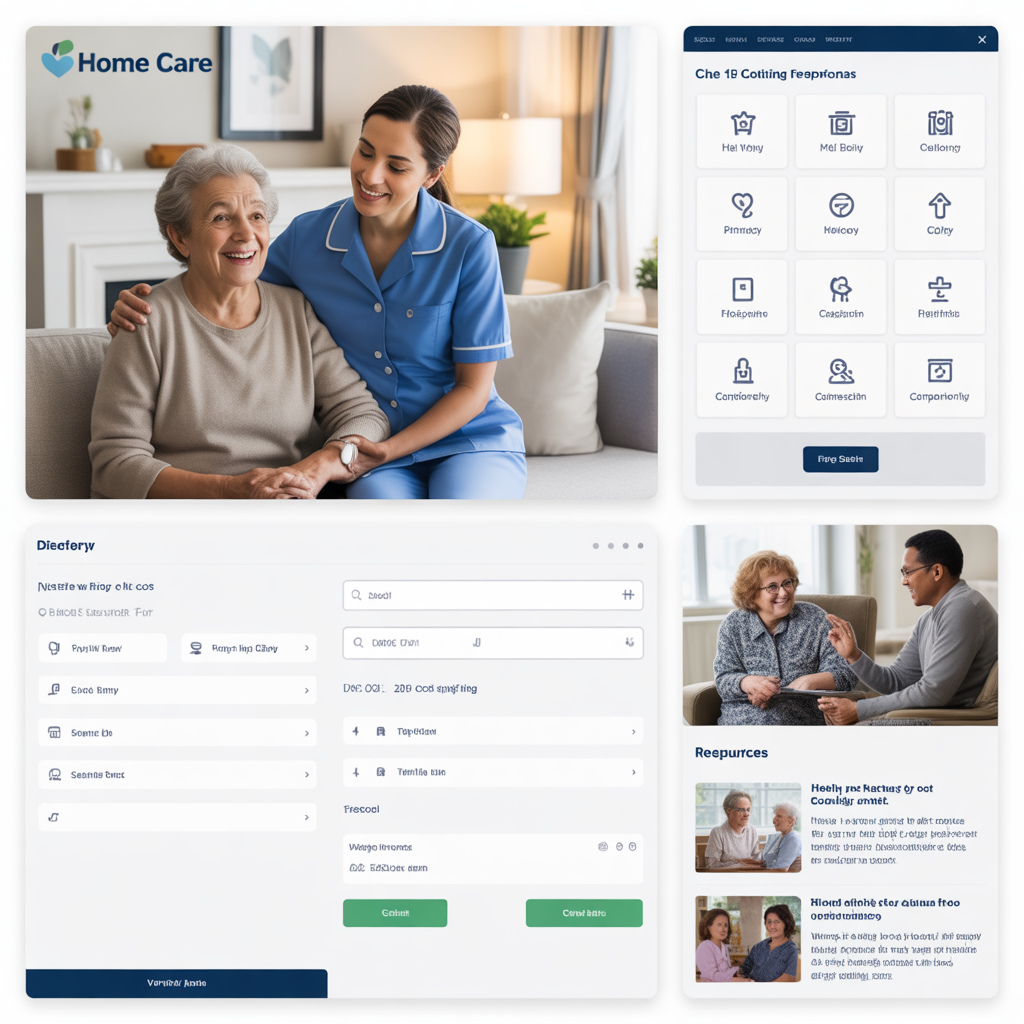
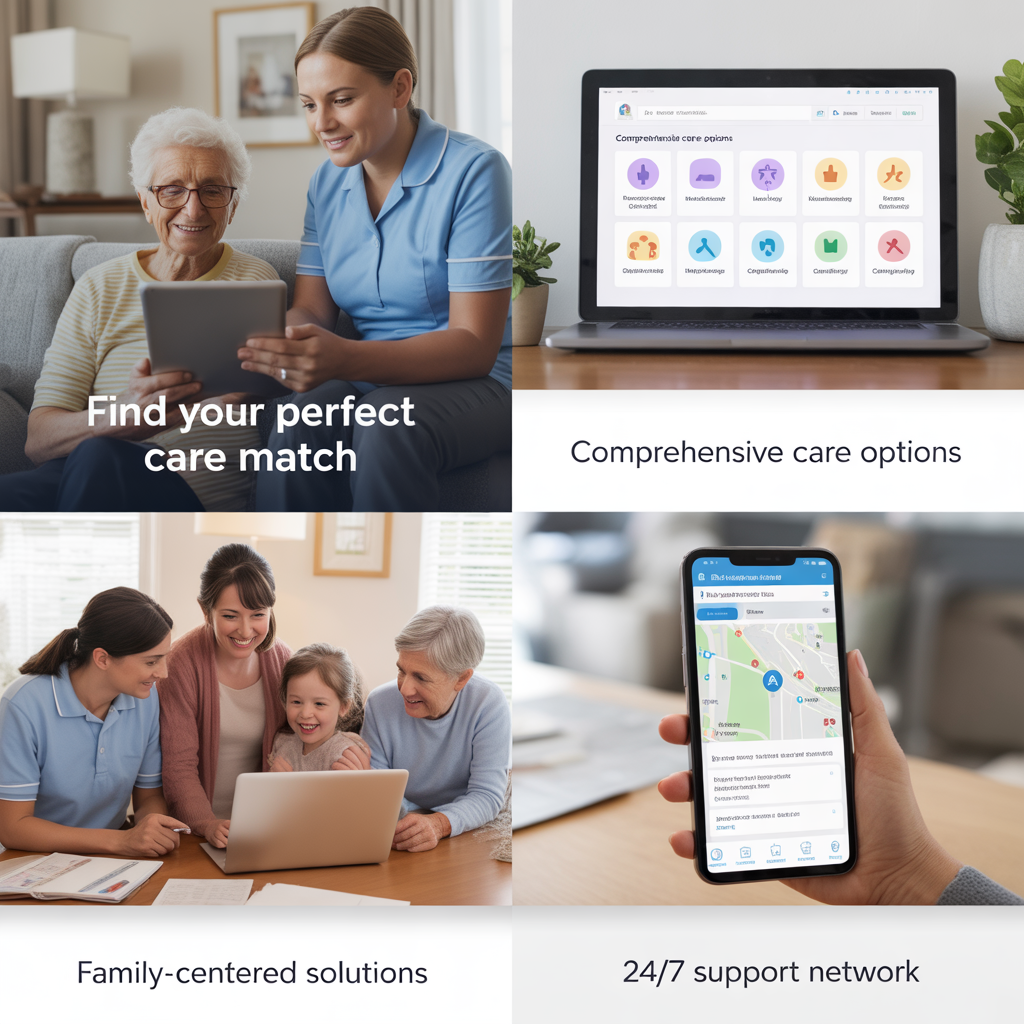
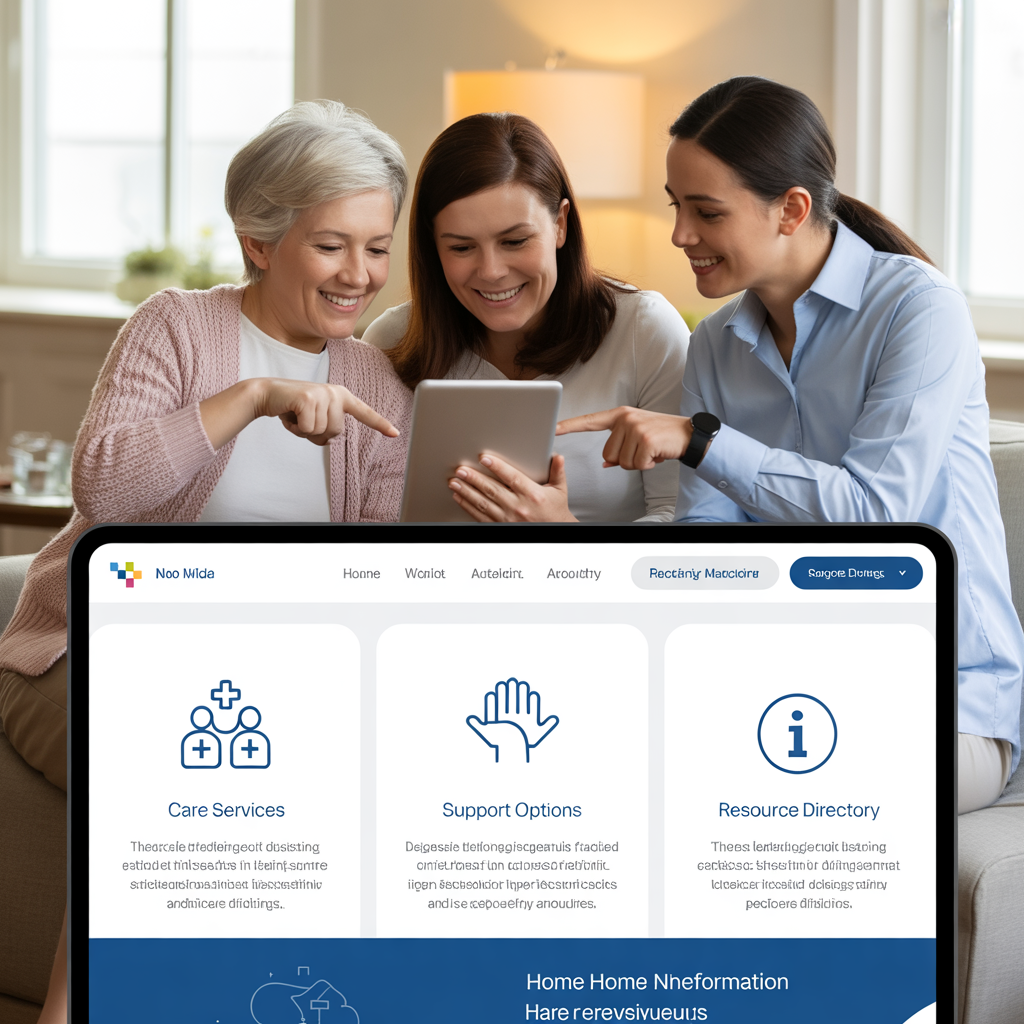
The concept of mable is commonly associated with an informational system designed to structure and present data related to senior care, personal support, and lifestyle support. Within this context, mable represents a thematic model rather than an operational platform. It focuses on how care-related information is categorized, interpreted, and organized to support understanding of available care solutions. The system emphasizes clarity, classification, and informational transparency without implying access to real-time services or providers.
mable as a Structural Model for Care Information
In informational environments, mable can be interpreted as a framework that organizes fragmented care-related data into a coherent structure. This includes mapping different types of support into understandable segments.
Key structural elements include:
- Categorization of support types such as personal support and lifestyle support
- Separation of informational layers (descriptions, attributes, and contextual use cases)
- Neutral presentation of care solutions without prioritization or ranking
- Consistent terminology across all sections
This structure allows information to be interpreted without ambiguity, supporting clarity in environments where care-related terminology may vary.
Core Components Within the mable Framework
The mable model typically includes several conceptual components that define how information is grouped and presented.
Primary components:
- Care type definitions (e.g., senior care, lifestyle support)
- Contextual descriptors explaining when a support type is relevant
- Attribute sets describing characteristics of each care solution
- Classification tags used by a care finder logic
These components function together to create a layered understanding of support options without implying selection or recommendation.
Information Standardization in Care Finder Systems
A key function associated with mable is standardization. Care-related information often originates from multiple sources and varies in terminology.
Standardization principles include:
- Use of consistent naming conventions
- Alignment of similar services under unified categories
- Removal of ambiguous or overlapping descriptions
- Structuring content for easy comparison
This enables a care finder structure to operate as a neutral informational index rather than a decision-making tool.
Relationship Between Categories and Context
Within the mable framework, categories are not isolated. Instead, they are linked to contextual scenarios that explain where specific care solutions may apply.
Examples of contextual relationships:
- Senior care linked with daily assistance contexts
- Lifestyle support associated with routine activities
- Personal support connected to individual assistance needs
This relationship-driven model improves interpretability while maintaining a descriptive, non-instructional tone.
Summary of the Conceptual Model
The mable framework represents a structured informational system designed to organize and clarify home care and support data. It relies on consistent categorization, neutral presentation, and contextual linking of information. Rather than acting as a service or interface, it functions as a conceptual model for understanding how care-related information can be systematically arranged and interpreted.