Disclaimer: This page is an independent educational resource and is not affiliated with or operated by any official organization or service.
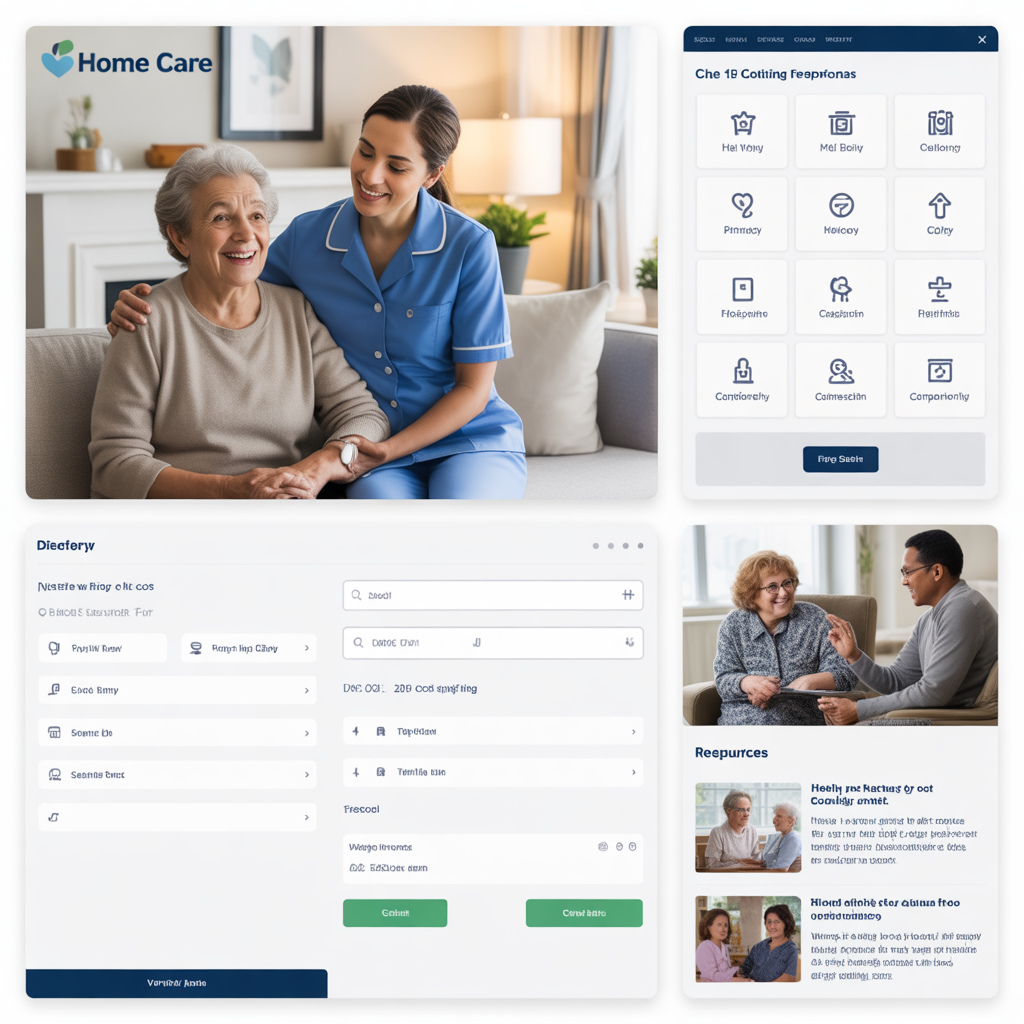
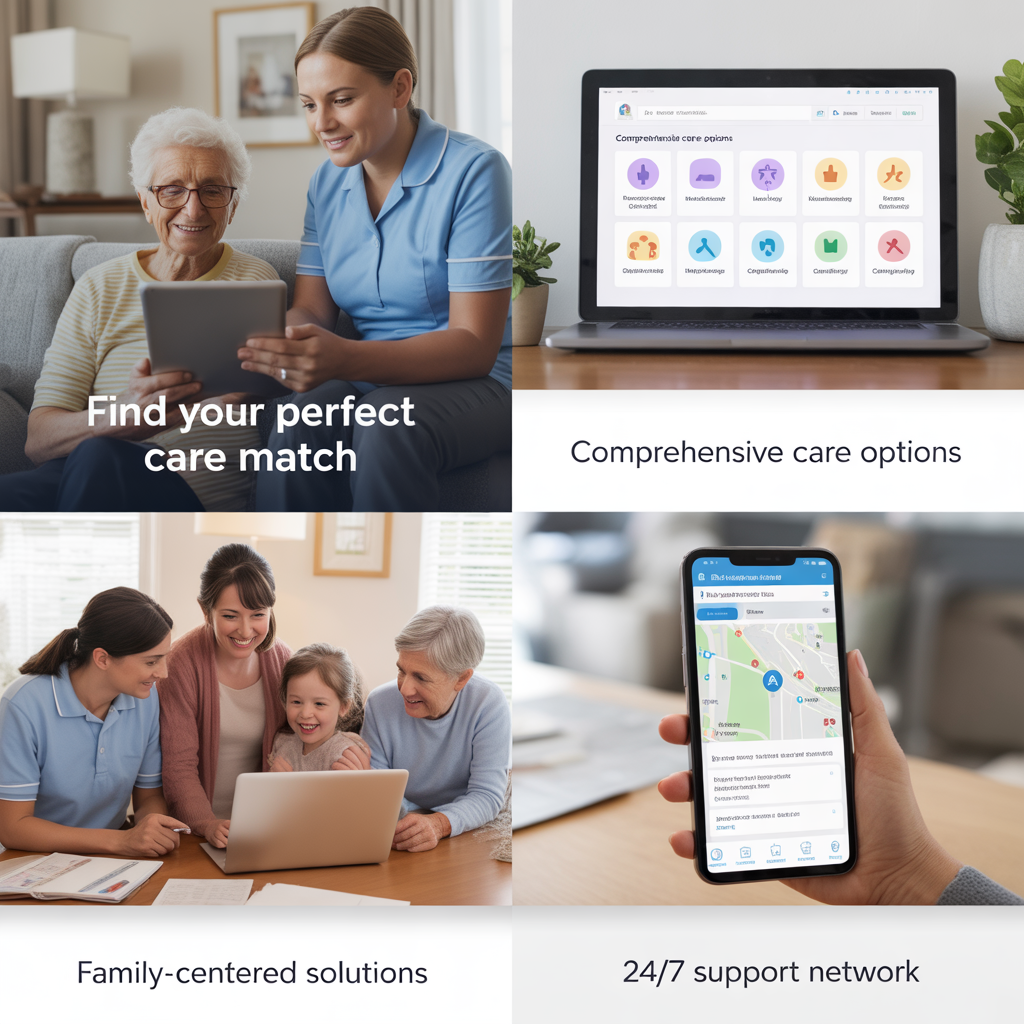
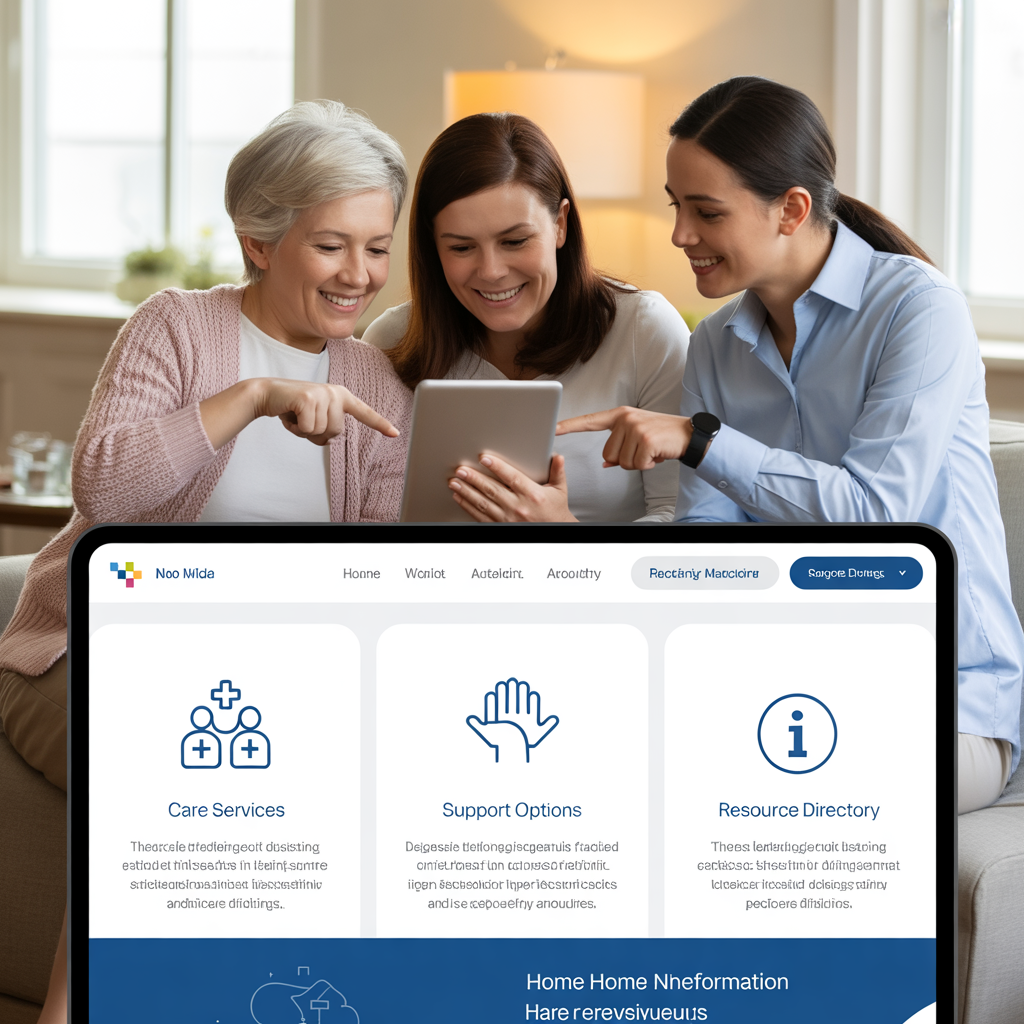
The mable framework can also be understood through its use of common categories and recurring content groupings within informational systems related to senior care, personal support, and lifestyle support. These groupings define how care solutions are typically presented and segmented. The focus remains on describing patterns in information organization rather than providing access to services or operational tools.
mable and Standard Content Categories
Within the mable model, several core categories frequently appear as foundational elements.
Common categories include:
- Senior care as a broad classification
- Personal support as individualized assistance
- Lifestyle support related to daily activities
- General care solutions encompassing multiple support types
These categories serve as anchor points for organizing detailed information.
Subcategory Structures and Content Segmentation
Each primary category is typically divided into smaller segments to improve clarity.
Examples of segmentation:
- Personal support divided by type of assistance
- Lifestyle support grouped by activity context
- Senior care organized by general scope
Segmentation enables more precise classification without increasing complexity.
Attribute-Based Grouping of Care Information
In addition to categories, mable systems often rely on attributes to describe care solutions.
Common attributes include:
- Type of support provided
- Context of use
- General characteristics of assistance
These attributes allow multiple entries to be compared on a descriptive level without evaluative judgment.
Role of Care Finder Categorization
The care finder concept within mable relies heavily on predefined groupings. It organizes information into searchable clusters without directing outcomes.
Typical grouping logic:
- Grouping by support type
- Grouping by contextual relevance
- Grouping by descriptive characteristics
This method enhances discoverability while maintaining neutrality.
Patterns in Informational Presentation
Across different implementations of the mable concept, certain presentation patterns remain consistent.
Recurring patterns:
- Clear separation between categories and descriptions
- Use of bullet lists for readability
- Logical progression from general to specific information
- Consistent formatting across sections
These patterns improve usability in informational contexts.
Summary of Content Groupings
The mable framework highlights how consistent categories and structured groupings contribute to clarity in home care informational systems. By organizing content into defined segments and attribute-based clusters, the system supports a comprehensive and understandable overview of care-related information.